Part V The Ascent of Meaning
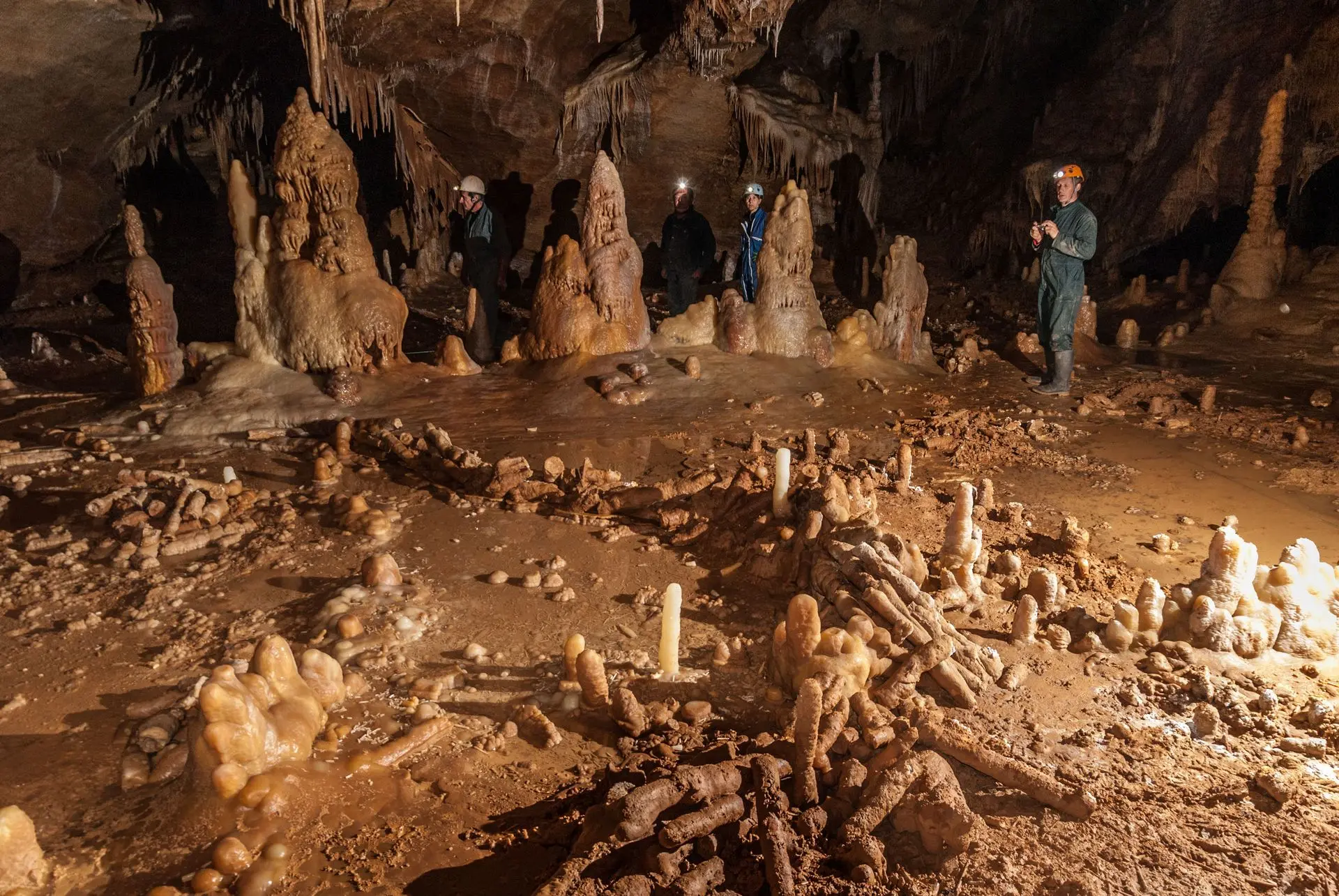 Photo By Luc-Henri Fage/SSAC - Own work, CC BY-SA 4.0
Bruniquel Cave
Here we these astonishing traces of Neanderthal ingenuity: six large rings made from carefully broken and stacked stalagmites, dated to 176,000 years ago. Over 400 pieces—more than two tons of stone—were arranged deep in the dark, lit only by hearths whose soot remains.
Why these rings were built is unknown. They may have served as a meeting or ceremonial space when different bands gathered near the Aveyron cliffs during seasonal hunts.
Bruniquel challenges old stereotypes. It reveals Neanderthals as deliberate, cooperative, and capable of imbuing a space with meaning—perhaps in ways we still struggle to understand.
Neoteny and the Learning Brain
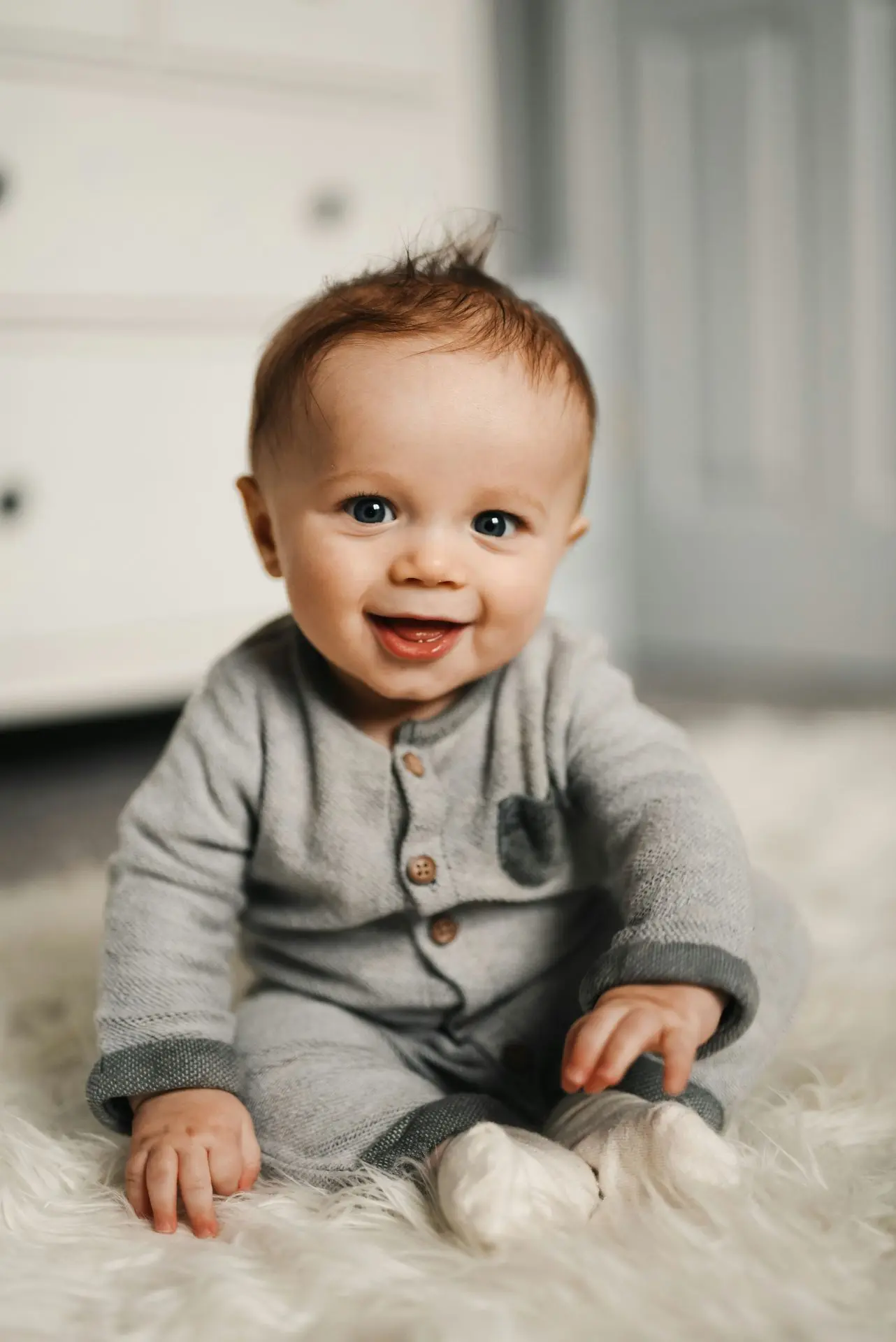
Neoteny transformed us by extending childhood and keeping our brains flexible far longer than any other primate, allowing playfulness, curiosity, and learning to continue into adulthood.
Instead of evolving for sheer processing power, the Sapiens brain evolved to remain open—to absorb, adapt, and build on what others know.
Our species is “wise” not by nature but by apprenticeship: wisdom is learned, social, and cultural.
Neoteny buys us time—time that must be filled with guidance, stories, and care from the Band of Sisters, and later the Band of Brothers—so that the Learning Brain can flourish and ultimately reshape the world.
Micro-adaptations
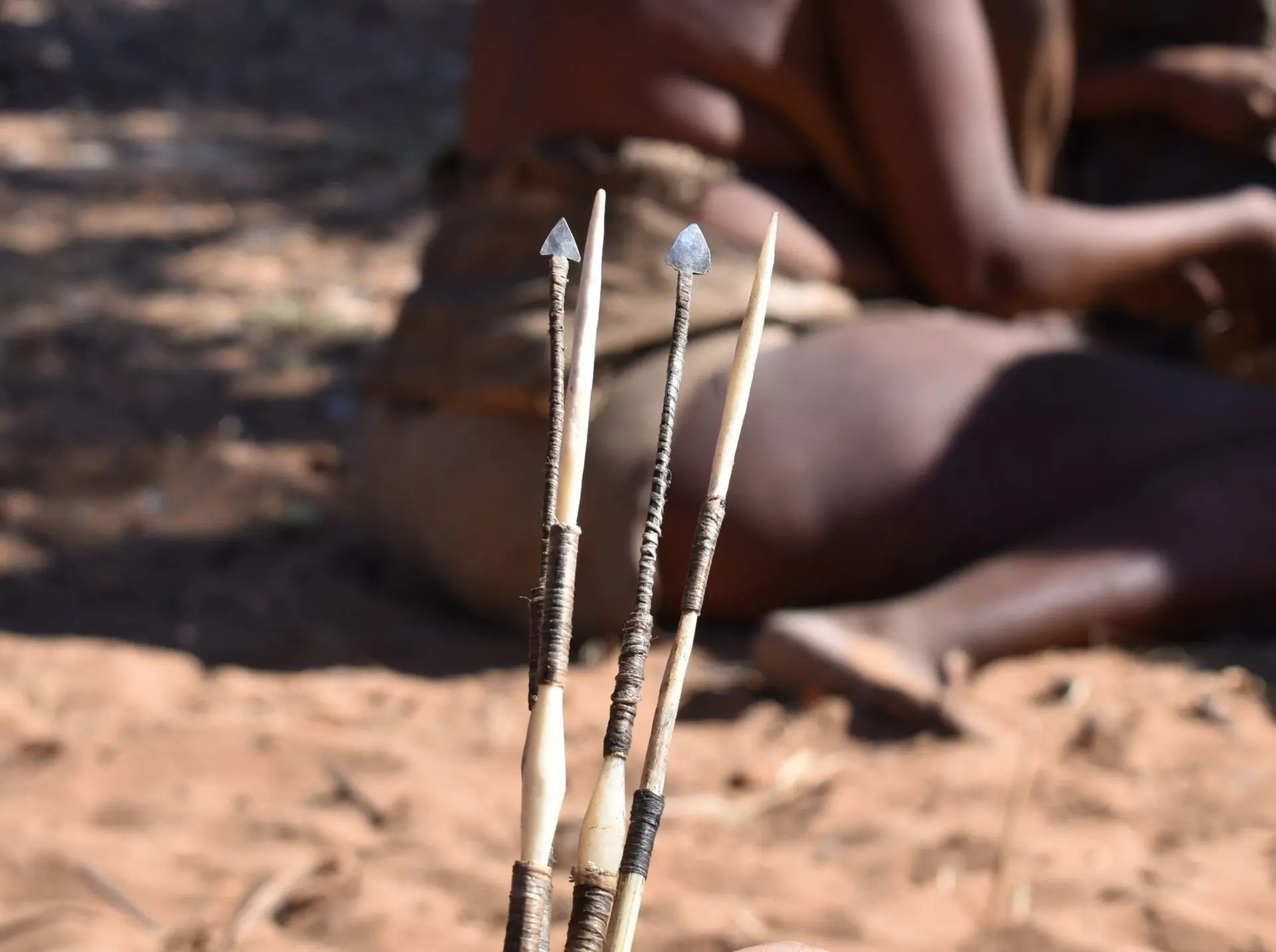
Our more plastic brain and higher reliance on learning enabled Homo sapiens to invent solutions to survive in a very wide range of environments, from desert to rainforest.
But with these micro-adaptations came something new: a cultural barrier to gene flow. The boy from the forest could not just join a fisherman tribe at the lakeside.
The early years of our species result in mosaic of populations that are relatively isolated. We probably spoke, better than ever before - but languages diverge.
The success of the Learning Brain created its own pitfall. We became isolated through our success.
The Cultural Mind
A bout 100,000 years ago, somebody laid an antler on the body of deceased child - a sign of shared grief. We needed to express our emotions, and in doing so, we created beauty - and meaning.
We could build connections, share meaning, and finally escape the pitfall of cultural separation and genetic isolation. The Mosaic ceased to be, and our great expansion began.
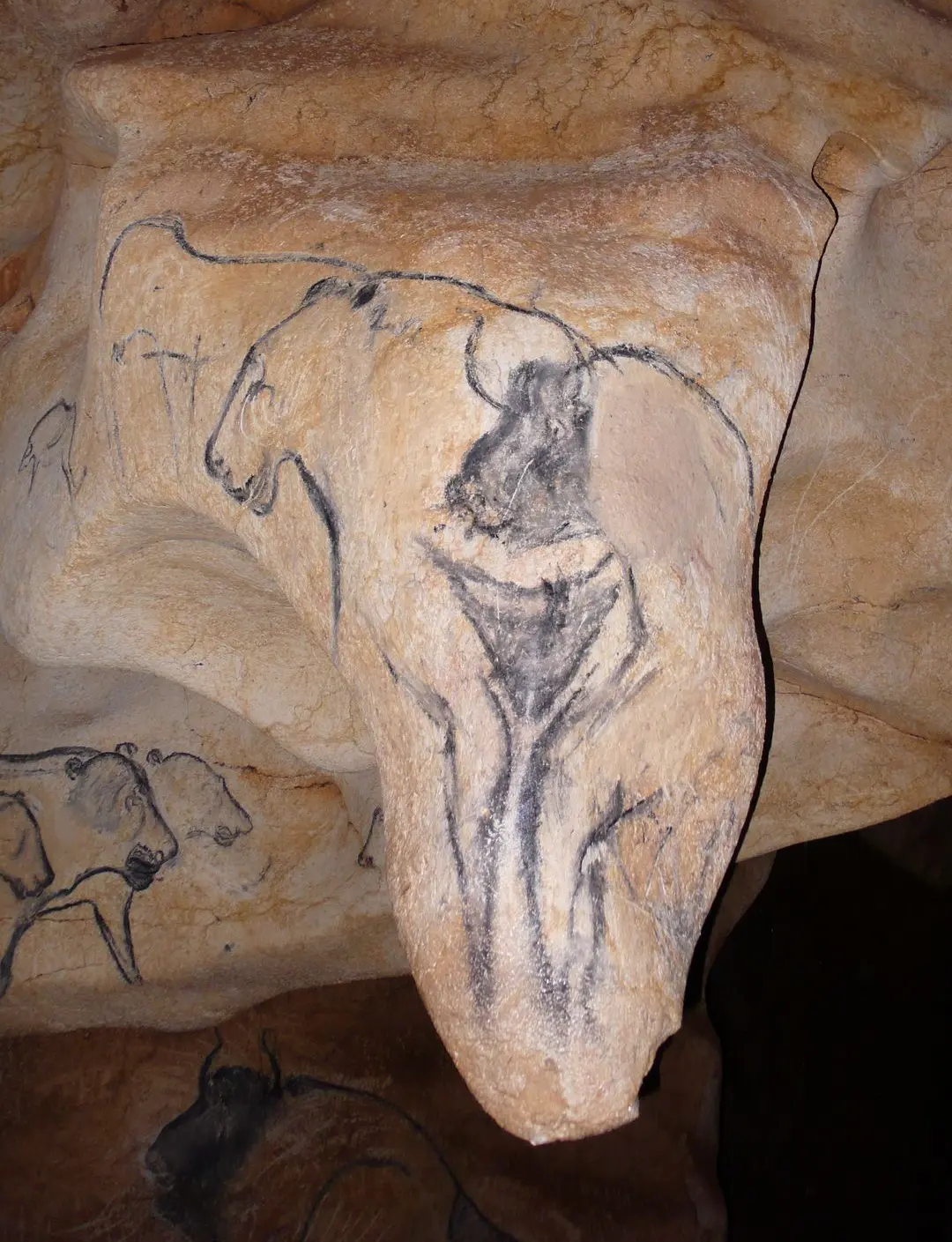
In Chauvet, the Tribe of the Lion people painted among the oldest art. I believe the lion hunt is real - a trap set by the lions for the migrating bison. And the tribe learned from it.
They mastered the art of hunting with the lions.
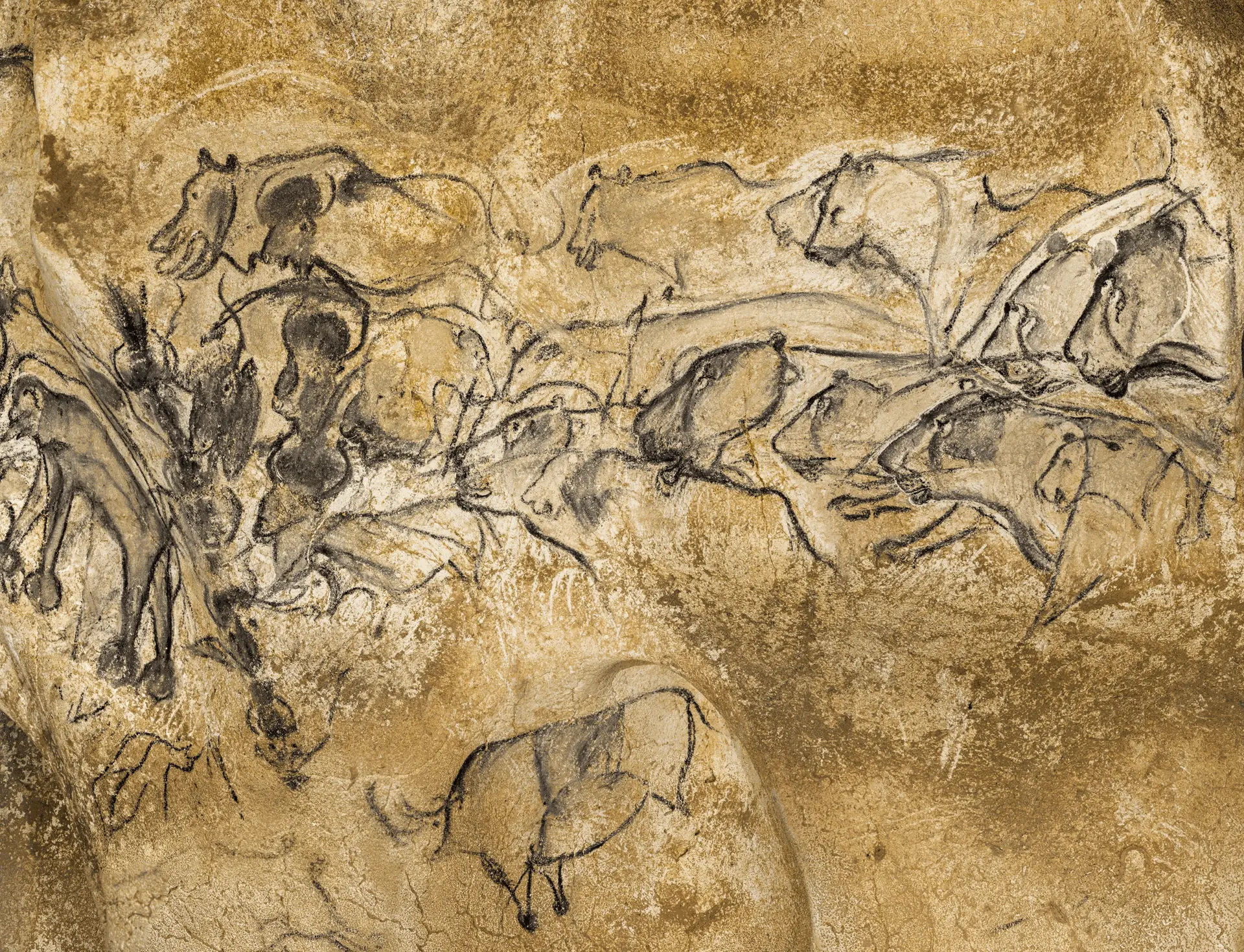
The lion hunt - Grotte de Chauvet
The Birth of Meaning
On this stalactite is painted the Venus of Chauvet. She has no body, though, nor are her legs her own: she shares them with a lioness and bison.
I believe the stalactite is the uterus, the place of birth of Lions and Bison. And the holy place of the Tribe of the Lion People. That is what the pubic area really means: birth, origins.
Other researchers have analyzed the signs in caves. A sign shaped as Y, they think, means birth. It is, I believe, the Y-sign we see in the Venus: the pubic triangle and the line joining the legs.
We see here the birth of meaning, and the first signs of writing.
We needed to share meaning through art to become who we really are.