
Discover
How cooperation, invention, and love made us human
In The Band of Sisters and Brothers, author Chris Verlinden presents a new vision of human evolution.
A New Vision of Our Human Story
The Band of Sisters and Brothers invites us to look at human evolution in a different way — not as a history of dominance, but as a story of cooperation, invention, and love.
Across millions of years, our ancestors survived not through aggression, but through trust:
- mothers who shared care,
- hunters who risked their lives for each other,
- wolves who joined our camps,
- and bands that combined their strength to transform the world.
This website extends the book with illustrations, maps, videos, and discussions that bring the story to life.
Three forces that shaped us
These forces shaped not just our past, but the way we live, work, love, and create today.
The Band of Sisters and Brothers
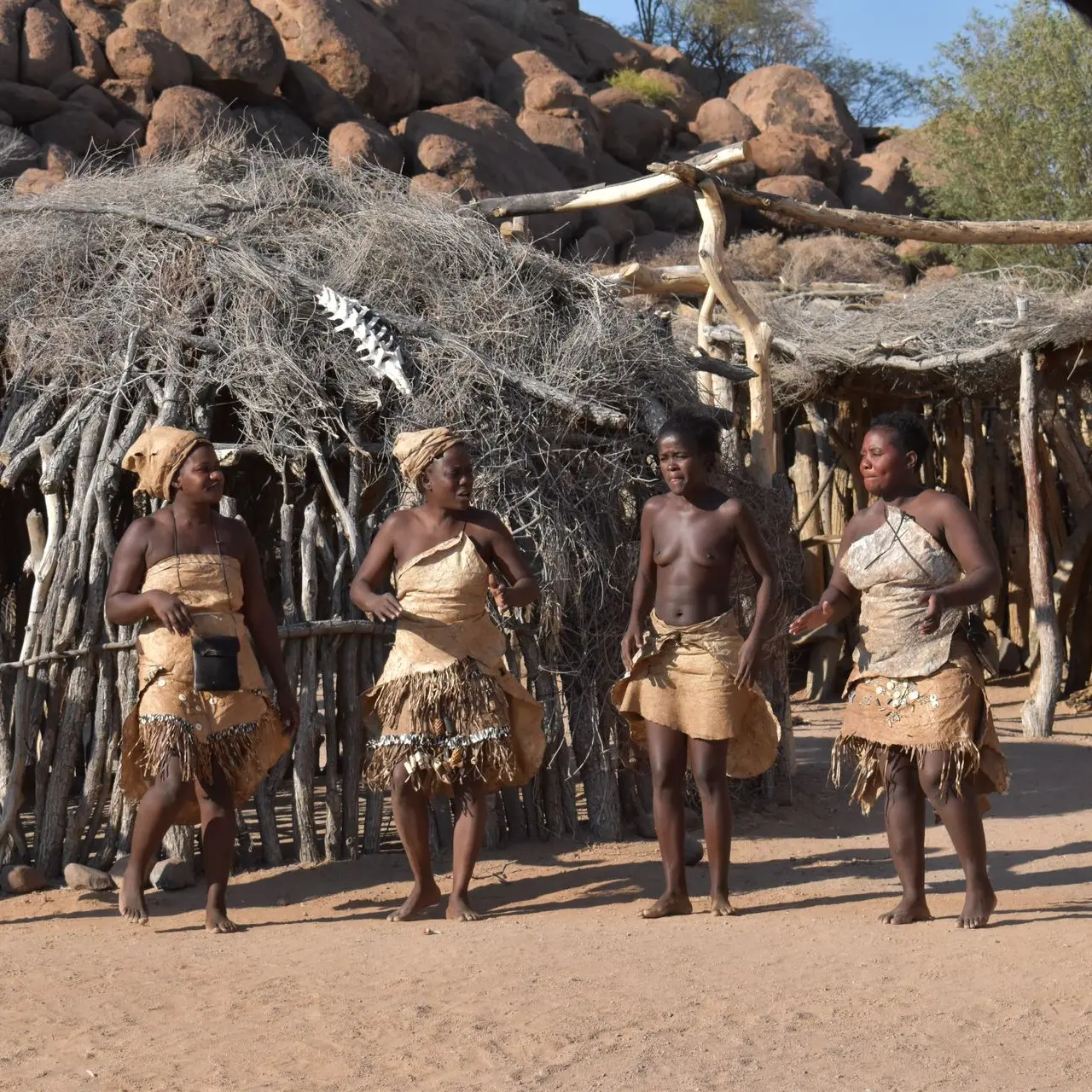
Our lineage grew within stable, caring groups built around long-term bonds, shared parenting, and loyalty.
We derived from monogamous ancestors and used long-term pair bonds to build trust and shared commitment to raise offspring. We kept love alive when we started to live in groups.
Inventive Evolution
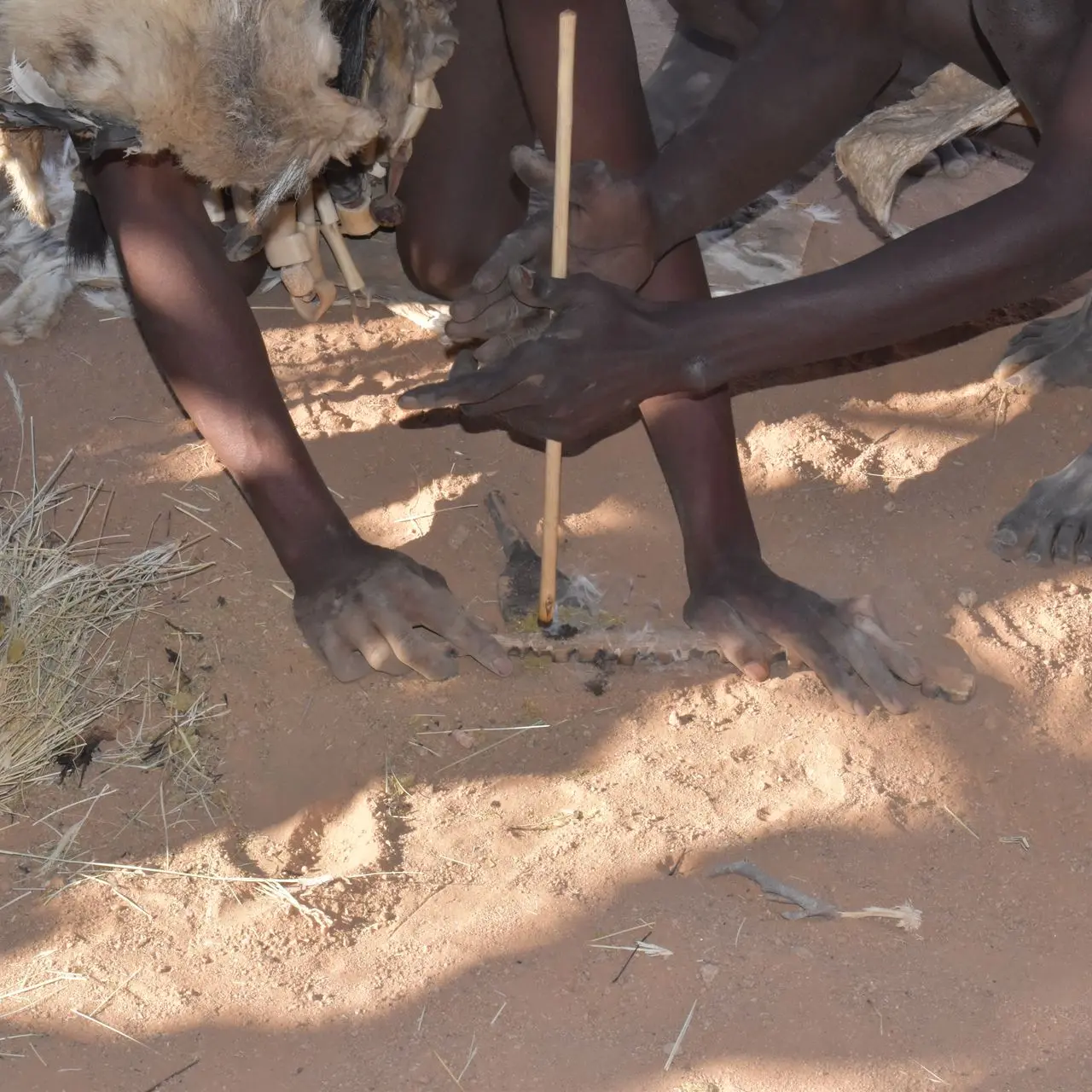
We used our brains and invented new ways of living. We learned to make tools and fire and became a different kind of being.
Invention and cooperation fed each other: new tools changed our lives, and our growing brains created new tools in return. We are truly unique in this: we invented ourselves.
The Learning Brain
Finally, Homo sapiens, our own species found a way to become eve more inventive.
By extending childhood, we became exceptionally curious, flexible, and cultural—able to learn, imitate, teach, and create meaning together. The cultural mind finally conquered the world.
These three forces are what sets this book apart.
These three concepts differ from the general view on human evolution.
I believe our ancestors were pair bonded, not like chimpanzees, our closest cousins. Males did not focus on competing with other males, instead males learned to collaborate with other males and shared in the Band to raise offspring together.
I believe the remarkable growth of our brain was the result of inventions allowing brain growth, and brain growth facilitating new inventions. Inventive Evolution is a new concept...
Our own species, Homo sapiens, arose out of a better way to invent: keeping a young, inventive brain for much longer. Remain more childlike, even as adults. Develop culture to spread inventions. And ultimately become us.
Our Journey in Six Parts
Partnering with Wolves
Long before domestication, wolves and humans watched each other across the firelight.
Somewhere in that shared world, trust emerged — a bond of fairness, cooperation, and shared survival.
This Part explores how wolves became our first allies.
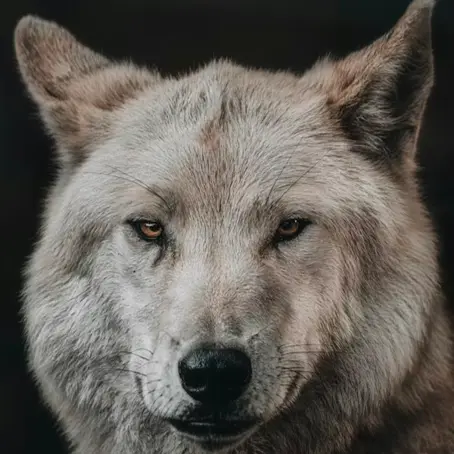
Photograph by Reyk Odinson
Love, Trust, and Collaboration
Human evolution was shaped not by dominance, but by care.
Pair bonds, allomothers, siblings, and grandmothers built the deep networks of trust that raised our helpless young and allowed us to thrive.
This is the heart of the Band of Sisters and Brothers.
Invention and expansion
Tools, fire, and the learning mind shaped our destiny.
We explore invention as an evolutionary force: how making, teaching, and learning reshaped our brains, bodies, and societies over millions of years. Our ancestors didn't just adapt to the world but began reshaping it, and in doing so, reshaped themselves.
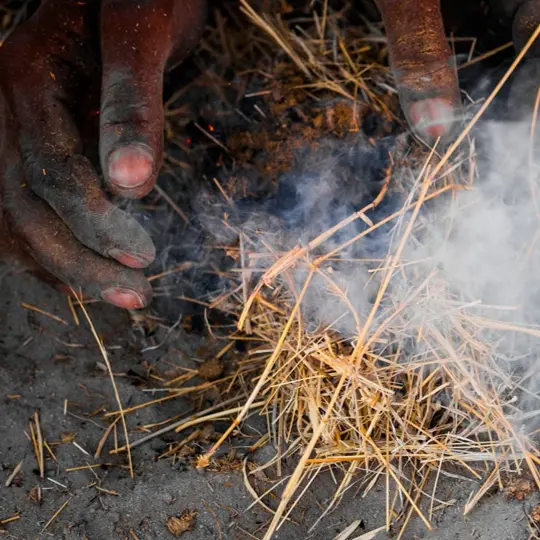
The threads of our becoming
Humanity emerged from an interplay of invention and intimacy.
In this Part, we explore how toolmaking, shared care, and deep cooperation wove together to transform clever apes into collaborative humans.
Here, we ask a radical question: what if inventions did not follow us — but began to shape who we became?
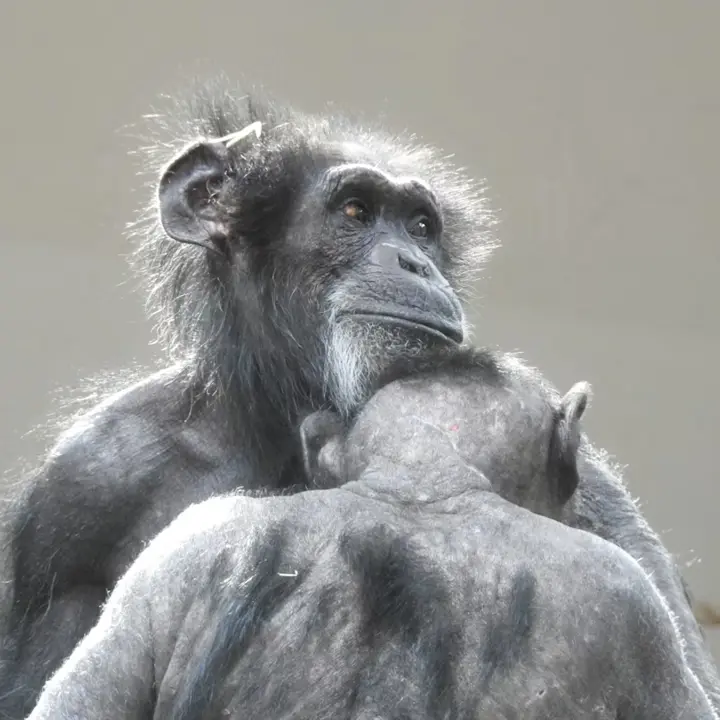
Photograph by Bruno Casonato
The Ascent of Meaning
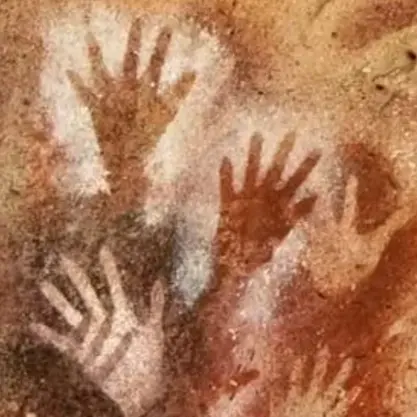
Homo sapiens took an unexpected path: we became learners, teachers, and creators.
Our flexible, childlike minds turned invention into culture and scattered traditions into shared identity.
We explore how symbols, stories, and meaning conveyed by art transformed small bands into a connected human world.
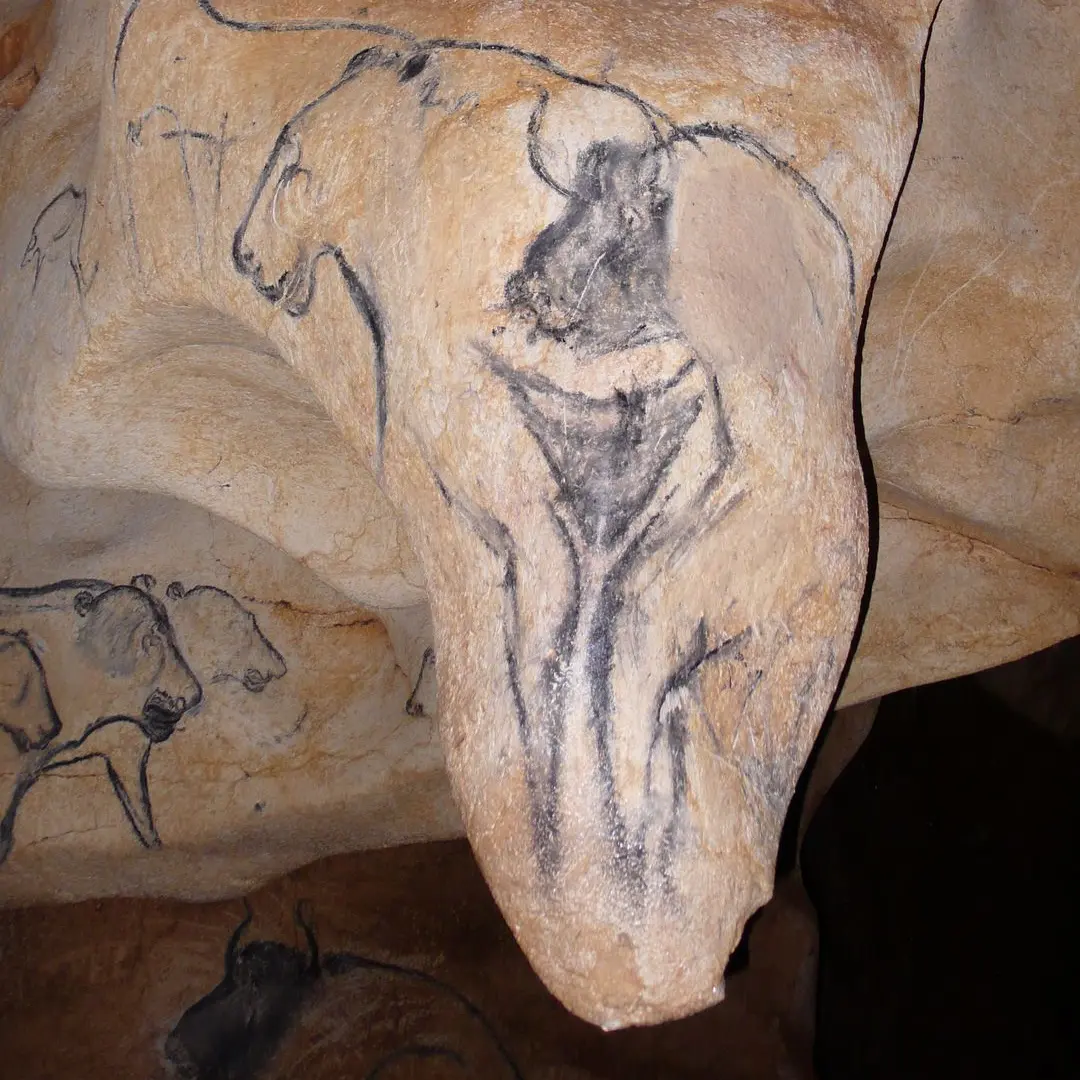
Centre National de Préhistoire, France
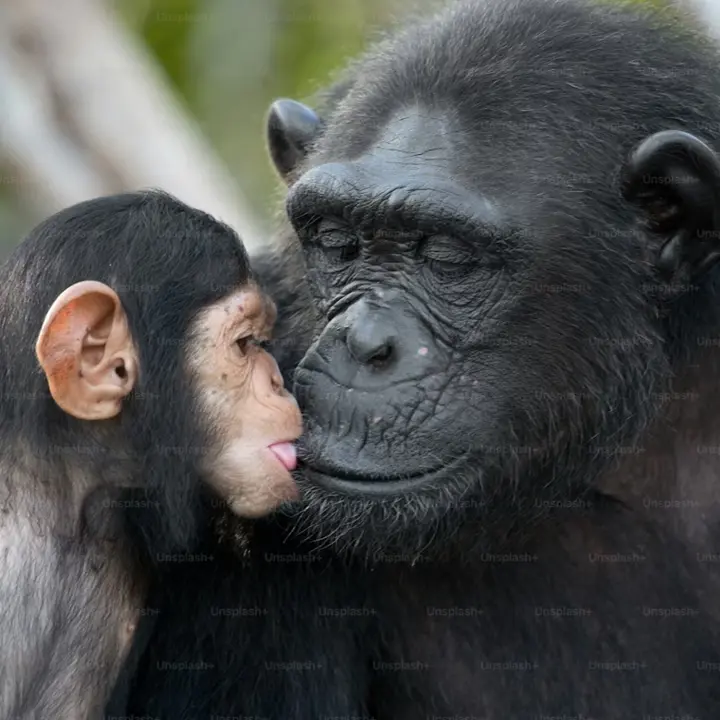
The Social Compass
Our species thrived because our emotions became a guide for how to live. From pair bonds to sibling care and cooperative alliances, humans learned to navigate the world through trust, fairness, and shared responsibility.
We explore how these bonds formed our inner moral compass — the sense of right, loyalty, and care that makes us human.
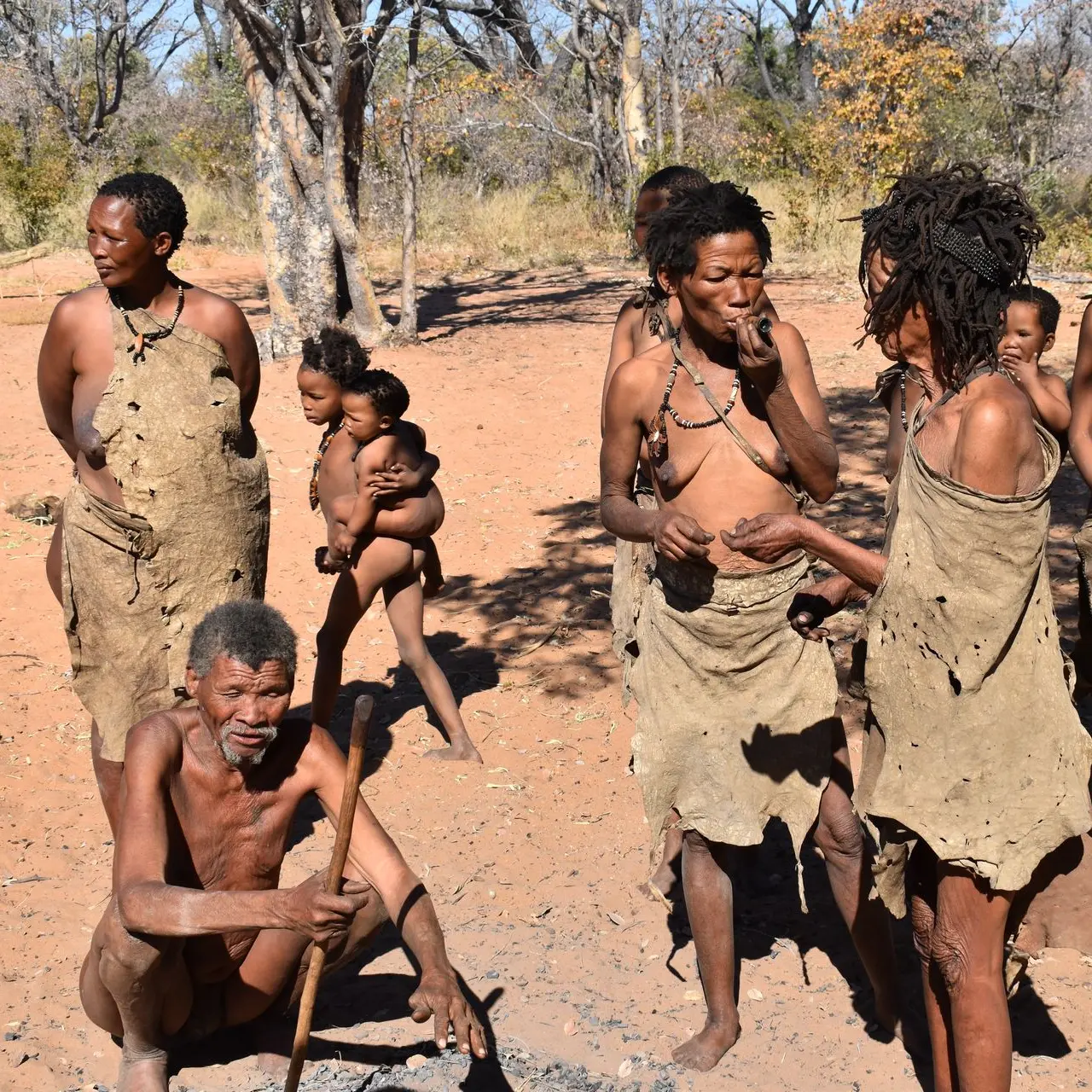
Photograph by the author
The road ahead and the science
The science
A bit shorter in the book, but here we can present the evidence in full. You’ll find fossils, timelines, genetic insights, and comparative animal studies — the scientific threads that support the three forces shaping our evolution: Inventive Evolution, the Learning Brain, and the Band of Sisters and Brothers.
It is a gateway for readers who want to follow the data, explore the sources, and go deeper into how we know what we know.

Photograph by Olivia Hutcherson
The road ahead
After tracing how collaboration, care, and invention shaped our species, this Part looks forward. Our moral instincts — trust, fairness, empathy — are not modern add-ons, but ancient strengths.
Understanding these roots offers guidance for how we can live, work, and build communities today.
The Band of Sisters and Brothers is not only our past — it may also be our future.

Photograph by Spencer Hackman
Chris Verlinden takes us through the history of mankind, really from the dawn of times. He shares the common scientific understanding of how Homo sapiens evolved, and how he thinks some of that scientific belief may be flat wrong.
I couldn’t help but reflect on how we evolve and organise ourselves today, based on what is shared in this book. It is thought provoking and revealing.
This book moves beyond the usual narrative of human evolution driven by brute strength and ruthless competition, offering instead a refreshing perspective centered on empathy, cooperation, shared care, invention and imagination.
The discussion of wolves and domestication adds a particularly compelling and unexpected dimension. Thought-provoking and ultimately hopeful, this is a rewarding read about who we are and who we might become.

Join the Band
Ask a question, share a story, or simply listen in.
Each month, we gather for a live Fireside Session on YouTube
— a modern fire circle —
to explore the themes of the book, answer questions,
and talk about what it means to be human today.
This is an open circle. Everyone is welcome.